




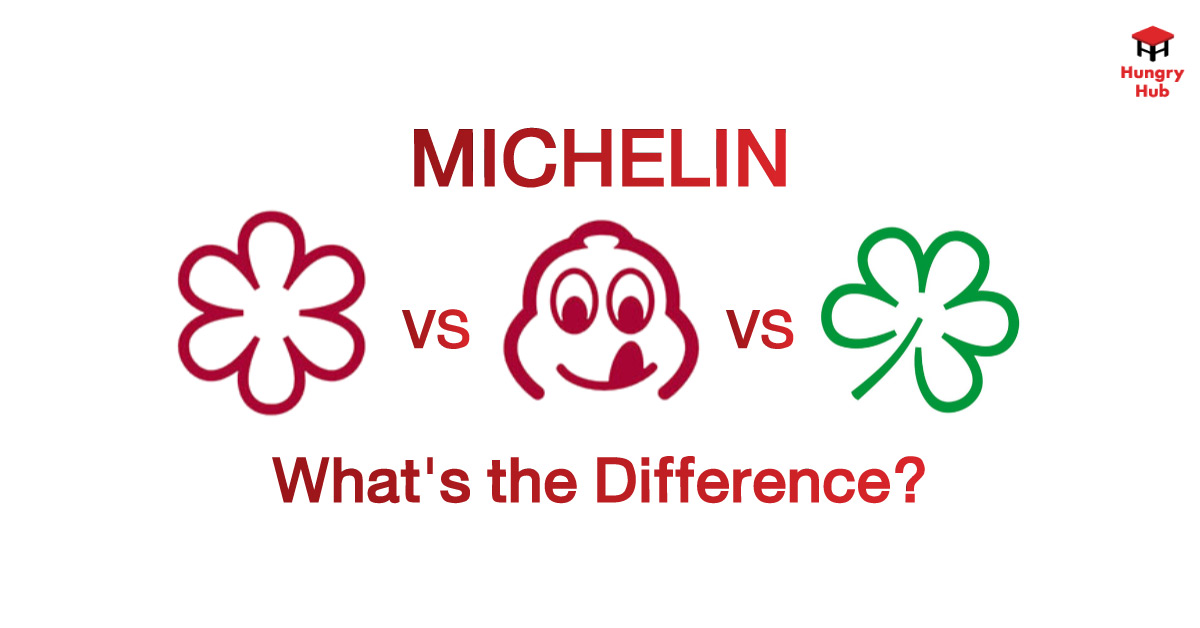

When comparing a Michelin Star vs Bib Gourmand, or spotting a newer Green Star, what do these symbols actually mean?
In 1900, thirty-five thousand copies of a small red booklet were handed out free across France. At the time, cars were an eccentric luxury. The Michelin brothers had a simple, mercenary logic: tell motorists where to repair a flat tyre, fill a fuel tank, and sit down for a decent meal, and their tyres would wear out that much faster.
Fast-forward to Bangkok today. A humble street-food stall where you sit on plastic stools over hot woks can stand alongside a whisper-quiet, white-tablecloth tasting room in the very same guide. The secret? The MICHELIN Guide doesn’t evaluate luxury. It evaluates what lands on the plate.

The 5 Golden Rules of the Anonymous Inspector
MICHELIN inspectors are full-time, salaried hospitality professionals who dine anonymously, book under pseudonyms, and settle their bills in full. A distinction is never awarded over a single standout evening—it is earned through consistency across repeated, unannounced visits.
Regardless of city or cuisine, every inspector grades food against five universal benchmarks:
- Quality of the ingredients
- Mastery of cooking and culinary technique
- Harmony and balance of flavours
- The chef’s personality reflected on the plate
- Consistency—across the entire menu and from visit to visit
Service, décor, table linens, and scenic river views do not earn a star. Inspectors note ambiance for the guide’s write-up, but the distinction itself reflects cooking alone.
The Hierarchy: Stars, Bibs, and Green Leaves
The core confusion usually lies between a Star and a Bib Gourmand.
- A MICHELIN Star asks: How exceptional is this kitchen’s technique and flavour profile?
- A Bib Gourmand asks: How good is this meal relative to what you pay?
Named after Bibendum (the Michelin Man), the Bib Gourmand highlights restaurants delivering excellent culinary craft at a moderate price. It isn’t a “consolation star”—it’s the guide’s nod to the vibrant, high-value neighbourhood gems you want to revisit every week.
Restaurants that impress the inspection team but haven’t received a star or a Bib are listed as MICHELIN Selected. Meanwhile, the Green Star recognises pioneering sustainability—zero-waste kitchens, direct farm sourcing, and ethical practices—and can sit alongside any existing tier.
| Distinction | What It Recognises | Price Level | The Occasion |
| Bib Gourmand | Outstanding cooking at a moderate price | ฿ – ฿฿ | Casual weeknights, long Sunday lunches with family |
| One Star | High-quality cooking; worth a stop | ฿฿฿ | Date nights, elevated weekend dining |
| Two Stars | Excellent culinary art; worth a detour | ฿฿฿฿ | Milestones, high-stakes client dinners |
| Three Stars | Exceptional cuisine; worth a special journey | ฿฿฿฿฿ | Bucket-list trips, once-in-a-lifetime meals |
| Green Star | Trailblazing sustainable gastronomy | Any | Conscious dining, zero-waste farm-to-table |
Thailand 2027: A Decade of the Guide
Marking ten years in Thailand, the 2027 guide rolled out its initial phase on 3 November 2026 with 151 Bib Gourmand selections nationwide, including 26 newcomers—double the previous year’s intake. Bangkok and its perimeter claim 49 Bib-awarded venues, complemented by 28 across four Isan provinces, 20 in Chiang Mai, and 20 in Phuket.
The main distinction ceremony takes place on Tuesday, 10 November 2026, streaming live from the Four Seasons Hotel Bangkok at Chao Phraya River to reveal new stars, promotions, and retained awards.
Experience the Guide: Verified Bangkok Menus on HungryHub
Rather than navigating unpredictable a la carte pricing or reservation waiting lists, diners can book dedicated tasting formats at fixed nett rates.
Khao Ekkamai (One MICHELIN Star)

Khao delivers traditional Thai cuisine driven by scratch-made curry pastes and premium ingredients. Midday diners can reserve the Khao Signature Lunch Set for Two (฿1,190 nett), featuring three sharing dishes—such as Southern-style Kua Kling minced Australian wagyu and crispy scallop salad—paired with traditional herbal drinks. Evening dining steps up with the Sharing Set with Wine for Two (฿4,970 nett), combining grilled wagyu in punchy larb seasoning with a bottle of French or Argentine wine. For family gatherings, the lunchtime Michelin Star Experience Set for 3 to 4 (฿5,590 nett) spreads across seven courses, anchored by rich river prawn Panaeng curry.
IGNIV Bangkok at The St. Regis (One MICHELIN Star)
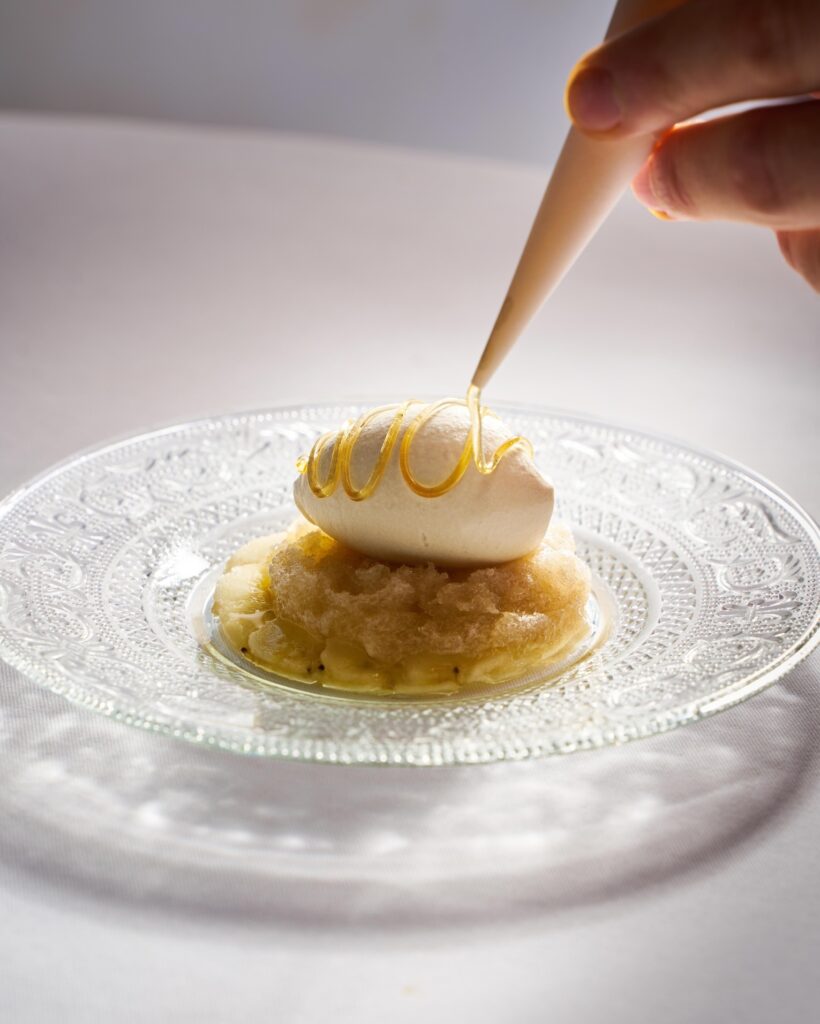
Modern Swiss-European cooking here is presented as a communal, sharing-plate sequence where the entire table experiences each flavour profile together. The Autumn Lunch Set Menu (฿3,200 nett) offers a condensed midday format between 12:00 and 13:00, while the multi-dish Autumn Experience Dinner (฿5,500 nett) is paced for milestone dinners and private entertaining. On weekends, the Weekend Brunch Experience (฿5,800 nett for two) pairs signature courses with a full bottle of champagne.
Indus Bangkok (MICHELIN Selected)

Set within a 1960s art-deco villa, Indus focuses on Mughlai and contemporary Indian cooking prepared over charcoal tandoors. The weekday Lunch Pack for Two (฿2,150 nett) delivers seven sharing items, including chicken kati rolls, spiced mutton seekh kebabs, house-baked roti, and drinks. The evening equivalent, the Dinner Sharing Set for Two (฿3,000 nett), broadens the selection into a full dinner banquet featuring slow-cooked regional curries and aromatic biryanis.
Want more? Browse every MICHELIN deal on HungryHub, or read our guide to MICHELIN Guide Thai restaurants in Bangkok.
Frequently Asked Questions
Can street food earn a MICHELIN Star?
Yes. Because inspectors judge only ingredients, technique, balance, and consistency, physical setting and price point are irrelevant. Bangkok’s Jay Fai and Singapore’s Hill Street Tai Hwa Pork Noodle prove that plastic stools and Michelin stars can comfortably coexist.
Does a Bib Gourmand automatically turn into a Star?
No. They address distinct criteria. A Bib Gourmand rewards quality relative to local pricing thresholds, whereas stars reflect culinary mastery without cost constraints. A restaurant must deliberately evolve its culinary style and ambition to move across categories.
How long does an award remain valid?
Exactly twelve months. All listings are re-evaluated each year by anonymous inspectors to ensure execution and ingredients maintain their required standard before the next edition is published.
Read More Interested Article